A United Nations human rights expert has urged Zimbabwe to ease restrictions on artistic freedom and improve public participation in decision-making, warning that fear and self-censorship are preventing some voices from being heard.
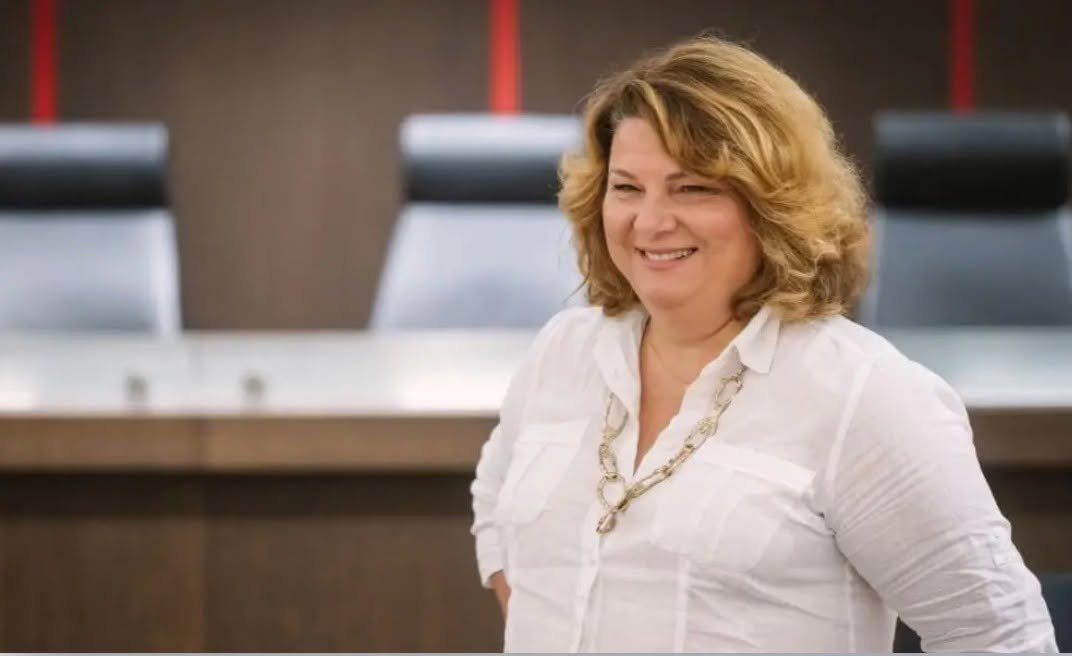
UN Special Rapporteur on Cultural Rights Alexandra Xanthaki made the remarks on Friday after concluding her 2-week fact-finding mission at the invitation of the Zimbabwean government, saying the country needed to improve its civic space to ensure everyone could participate fully in cultural life.
“Despite what some officials say, not everyone is free to express their identity, opinions, values and worldviews in Zimbabwe today,” Xanthaki said.
She called on the government to review what she described as excessive controls and administrative burdens that limit artistic freedom and creativity.
Although Zimbabwe recognises 16 languages in its Constitution and has numerous heritage sites and cultural practices, Xanthaki said the country was not fully harnessing the potential of its cultural diversity.
She also questioned whether existing systems of representation were giving all groups a meaningful role in decisions affecting their lives, noting that dissenting voices were sometimes excluded or silenced by fear.
Xanthaki said tourism and development projects could improve livelihoods and human rights if local communities benefited directly and were genuinely consulted.
She urged authorities to ensure transparency over revenues generated by such projects and protect natural resources from overdevelopment and foreign exploitation.
Zimbabwe’s civic space has been shrinking as the government tightens control over the operations of civil society organisations.
In April 2025, Zimbabwean President Mnangagwa signed the Private Voluntary Organisations (PVO) Amendment Act, which fundamentally alters the legal and operational landscape for civil society organisations (CSOs), non-governmental organisations (NGOs), and trusts.
Xanthaki is expected to present a report on her March 2027 visit to the UN Human Rights Council.
Comments
Be the first to comment.