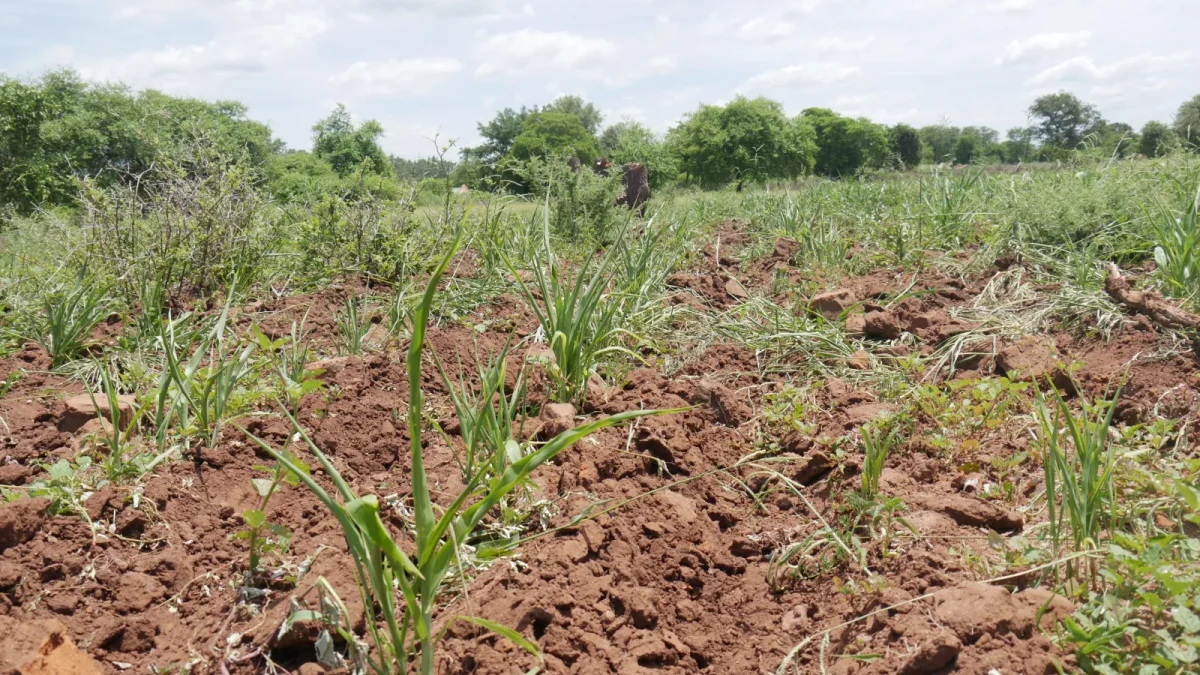
Zimbabwe is projecting a cereal deficit of 663,188 metric tonnes for the 2026/2027 agricultural season, with the government warning that a predicted super El Niño and rising fuel and fertiliser costs could threaten food security.
According to Tuesday’s Cabinet briefing, the country is expected to produce 1,607,198 metric tonnes of cereals against a national requirement of 2,270,386 metric tonnes, leaving a shortfall that will require increased mobilisation of grain stocks and limited imports.
The government said the 2026/2027 Summer Plan was built around six strategic interventions to strengthen national food security and improve resilience against climate and economic shocks.
The six pillars are an enhanced strategic grain reserve, accelerated climate-smart production, an integrated financing architecture, livestock drought mitigation, enhanced imports, and improved coordination, early warning systems, and capacity-building support.
The predicted super El Niño poses a major threat to agricultural production, while geopolitical tensions are driving up fuel and fertiliser prices and disrupting supplies, adding pressure to the country’s preparations for the coming season.
To strengthen its capacity to withstand future food shortages, the government plans to build a dedicated 600,000-metric-tonne Strategic Grain Reserve by October 2027.
The target will be supported by aggressive grain purchases from the 2025/2026 summer season, the 2026 winter cropping season and the 2027 winter season.
The government will also use newly introduced artificial intelligence-powered silos to improve Strategic Grain Reserve management and strengthen preparedness for potential food shortages.
The planned reserve forms part of broader efforts to ensure the country has sufficient grain stocks to respond to production shortfalls and disruptions to food supplies.
However, the projected deficit means Zimbabwe will also need to mobilise additional resources for grain reserve management and rely on imports to cover the shortfall.
The six interventions are intended to improve agricultural productivity, protect livestock during drought conditions, strengthen early warning systems and coordinate financing and other support to mitigate climate-related risks.
The government is seeking to avoid a repeat of the severe food insecurity experienced during the 2024/2025 drought by combining domestic production, strategic grain purchases and imports with measures to improve resilience ahead of the 2026/2027 season.



Comments
Be the first to comment.