Harare has automated the punishment of motorists without first fixing the roads and traffic infrastructure that make safe driving possible.
The city can now detect millions of traffic violations, yet it still struggles to maintain functioning traffic lights, visible road markings and properly designated public transport stops.
This is not necessarily a failure of technology; it is a failure of priorities.
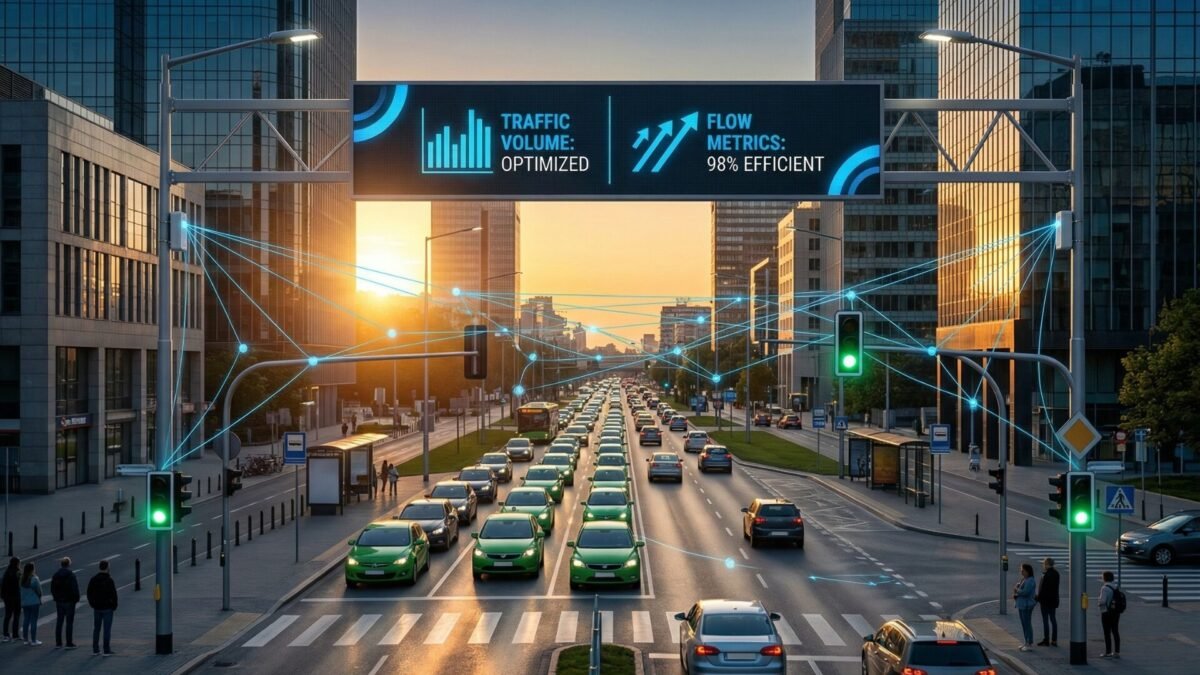
Since May, 20 camera poles have been installed at major intersections across the capital, including Samora Machel and Glenara, Jason Moyo and Simon Muzenda, and Leopold Takawira and Herbert Chitepo.
The Smart Traffic Management System has reportedly recorded five million violations, even as 21 of the CBD’s 69 traffic lights remain non-functional.
Funded by Mutapa Investment Fund and developed with TelOne, the system uses cameras to identify vehicles, retrieve registration details through the Central Vehicle Registry (CVR) and ZINARA.
It then sends motorists SMS notifications with evidence of alleged offences.
Fines can be paid through the designated online platform, while some violations, including running red lights, are referred directly to court.
The case for automation is straightforward.
It can reduce roadside disputes, limit opportunities for bribery and make enforcement more consistent.
Police spokesman Commissioner Paul Nyathi has said the system will apply to all motorists, including government vehicles.
Pedestrians crossing outside designated points are also liable to penalties.
The Problem
The problem is that cameras record actions without necessarily capturing the conditions behind them.
A vehicle may be flagged for stopping at an undesignated point where no legal alternative exists, changing lanes where markings have faded or crossing a stop line that is no longer visible.
A change of vehicle ownership can also complicate the attribution of fines if registration records have not been updated.
Police say officers at CID Headquarters provide human verification, including checking whether traffic lights were functioning and road signs were visible.
However, the reported volume of violations raises questions about how thoroughly cases can be reviewed before penalties are issued.
Motorists need a clear, accessible process for challenging errors and disputed fines.
The timing is particularly difficult to defend.
City Parking is funding the replacement of traffic lights with solar-powered units on reinforced concrete poles, with a second phase targeting 46 intersections by the end of November.
The improvements acknowledge the condition of existing infrastructure, yet automated enforcement is already operating across the city.
The wider concern is one of priorities.
Harare continues to struggle with unreliable water supplies, refuse collection and deteriorating roads, but has rapidly expanded its capacity to detect and penalise motorists.
Automation could improve road safety and reduce corruption.
For it to succeed, however, the city must ensure that traffic lights work, road markings are visible, public transport stops are properly designated and penalties are supported by reliable evidence.
Enforcement must also be transparent and consistent, regardless of who owns the vehicle.
Harare has shown that it can monitor motorists at scale.
The next test is whether it can provide the infrastructure that makes compliance possible.



Comments
Be the first to comment.