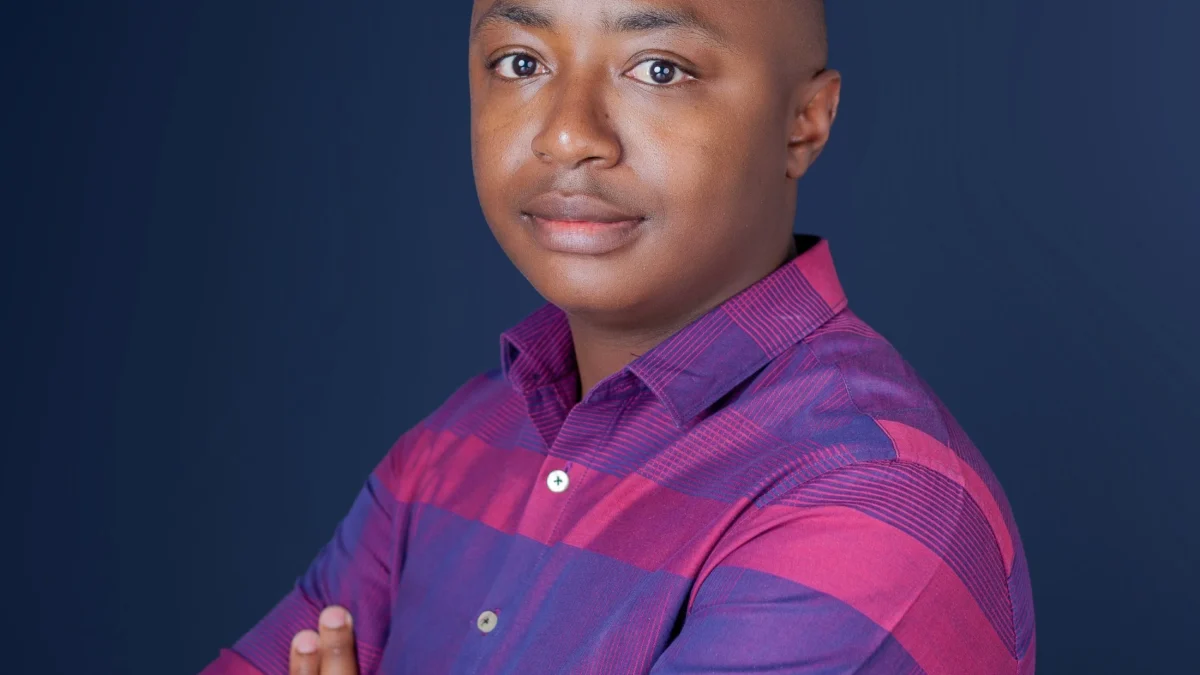
Zimbabwean writer Simbarashe Steyn Kundizeza has retained the 2026 Caine Prize for African Writing after a month-long investigation found no evidence that his award-winning short story, The Blue Fighter, was generated using artificial intelligence.
The prize’s Board of Trustees announced the decision on Wednesday, November 11, confirming that the review, which began on October 11, had cleared the writer and that his award would stand.
The investigation followed an October 11 article in The Atlantic by Vauhini Vara, which questioned whether the story had been produced using generative AI.
The review involved interviews with Kundizeza, the 2026 judging panel and The Shallow Tales Review, where the story was first published. An independent cybersecurity and digital forensics investigator also examined the story’s draft metadata.
The investigation found that four separate Word documents had been created during the drafting process, accounting for up to 27 hours of writing and editing.
Documentation provided by the author and publisher showed that the story’s development began in April 2025 and was completed in June 2025, following communication with the poet who inspired the piece.
The board said it found no evidence that the story had been produced using generative AI, adding that AI detection tools alone were not a reliable basis for determining authorship.
Caine Prize chair Ellah Wakatama said the organisation had considered both the people involved and the technical evidence before deciding that Kundizeza’s award should stand.
The prize has introduced new AI-related requirements for the 2027 award cycle, with submissions opening on November 23.
Publishers submitting stories and shortlisted writers will be required to declare their use of AI. The organisation will also issue guidance to judges on assessing AI-related concerns and publish a procedure for reviewing future complaints.
An AI Use Policy has also been created to help guide the process.


Comments
Be the first to comment.