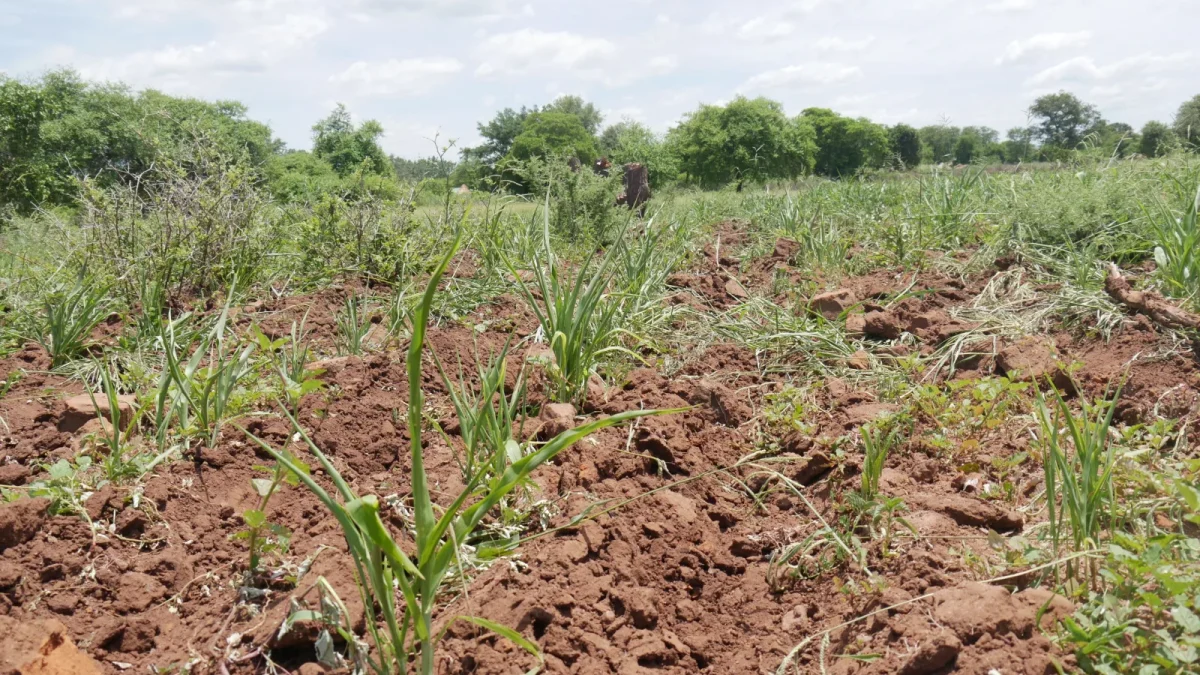
HARARE — The Zimbabwe National Climate Outlook, covering October 2026 to March 2027, forecasts a predominantly dry season, with below-normal rainfall anticipated across much of the country.
The Meteorological Services Department (MSD) warns that the onset of rainfall is likely to be highly erratic, with significant parts of the country potentially experiencing no effective start to the season.
Typically, Zimbabwe’s rainfall season begins between November and early December.
Additionally, warmer-than-normal temperatures are forecast for the first three months of the season, which will further strain crops and water resources.
Regionally, October is predicted to be particularly dry in Masvingo, most of Matabeleland, Bulawayo, large parts of the Midlands, and areas of Mashonaland West and East, as well as much of Manicaland.
November is also expected to be predominantly dry, though some southern areas may experience improved conditions in December.
Despite the dry spell, the MSD cautions that erratic weather patterns and high temperatures could lead to severe storms, flash floods, strong winds, and lightning.
This outlook presents a challenging planting environment, especially for farmers who rely on rain-fed agriculture, as an uncertain onset of rainfall could disrupt planting and crop establishment.
The majority of Zimbabwean farmers, particularly those in rural areas, depend on rain-fed agriculture for their livelihoods.
Comments
Be the first to comment.