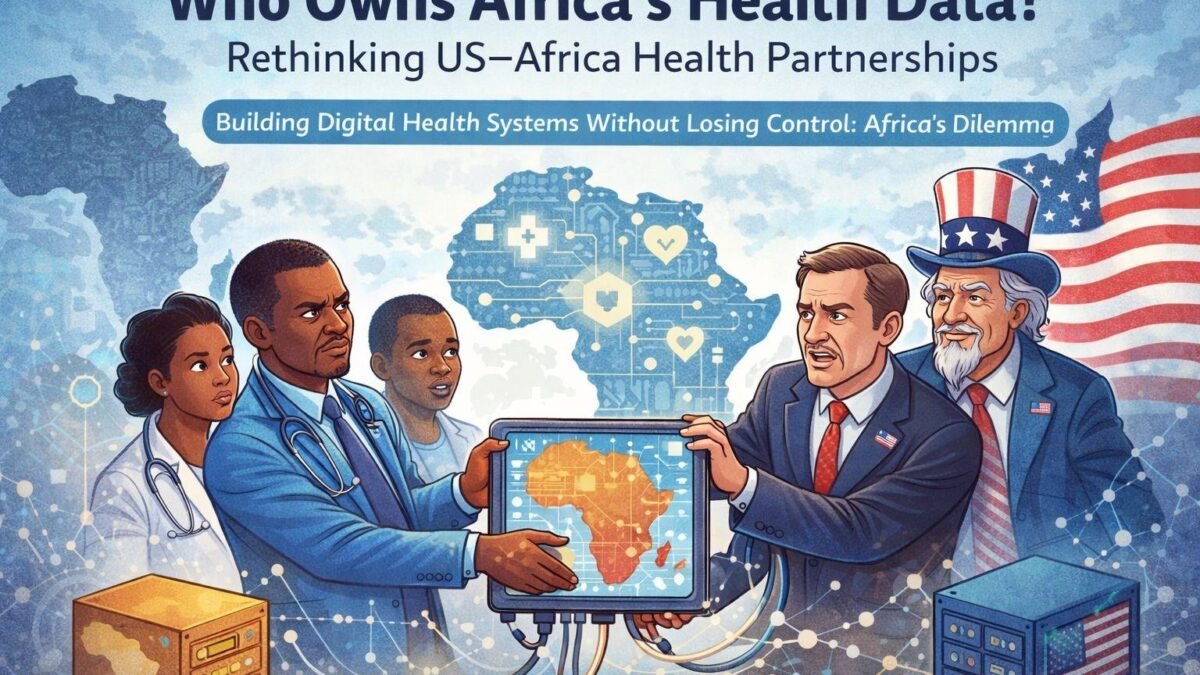
A new US global health funding model is meeting resistance across Africa, with at least three countries rejecting deals worth hundreds of millions of dollars over data privacy and sovereignty concerns.
Ghana became the latest to walk away in April.
This was after Zimbabwe and Zambia rejected similar offers in February.
The deals replace funding previously channeled through USAID, which was dismantled late last year.
Under the Trump administration’s “America First” health strategy, Washington has signed memorandums with over 30 countries.
These are mostly in Africa and worth up to $20 billion.
They cover HIV, malaria and TB programs.
However, the terms have sparked alarm.
Ghana’s Data Protection Commission said the proposal demanded access to 25 years of health records.
This is in addition to metadata, dashboards and data models, with access for 10 US entities without prior approval.
“The scope went far beyond what would typically be required,” Executive Director Arnold Kavaarpuo said.
President John Mahama last week called the terms “humiliating”.
He said the compact required Ghana to hand over its “pathogen profile and medical records” and exempt US-supplied medicines from FDA inspection.
“It was the compact that was thrown out in record time in our Cabinet.
“I’ve never seen anything thrown out as fast as that,” Mahama said at the Council on Foreign Relations in New York.
“Who takes another country’s medical records?”
Zimbabwe rejected a US$367 million deal in February, citing “issues around health data, fairness and sovereignty”.
Meanwhile Zambia shelved a US$1 billion package after Washington linked it to a critical minerals pact.
The US State Department says it does not disclose details of bilateral negotiations.
Ghana said it will now pursue its “Accra Reset” initiative to reduce aid dependence and produce more medicines and vaccines locally, after a US$174 million budget shortfall left its health sector US$74 million short.
Comments
Be the first to comment.