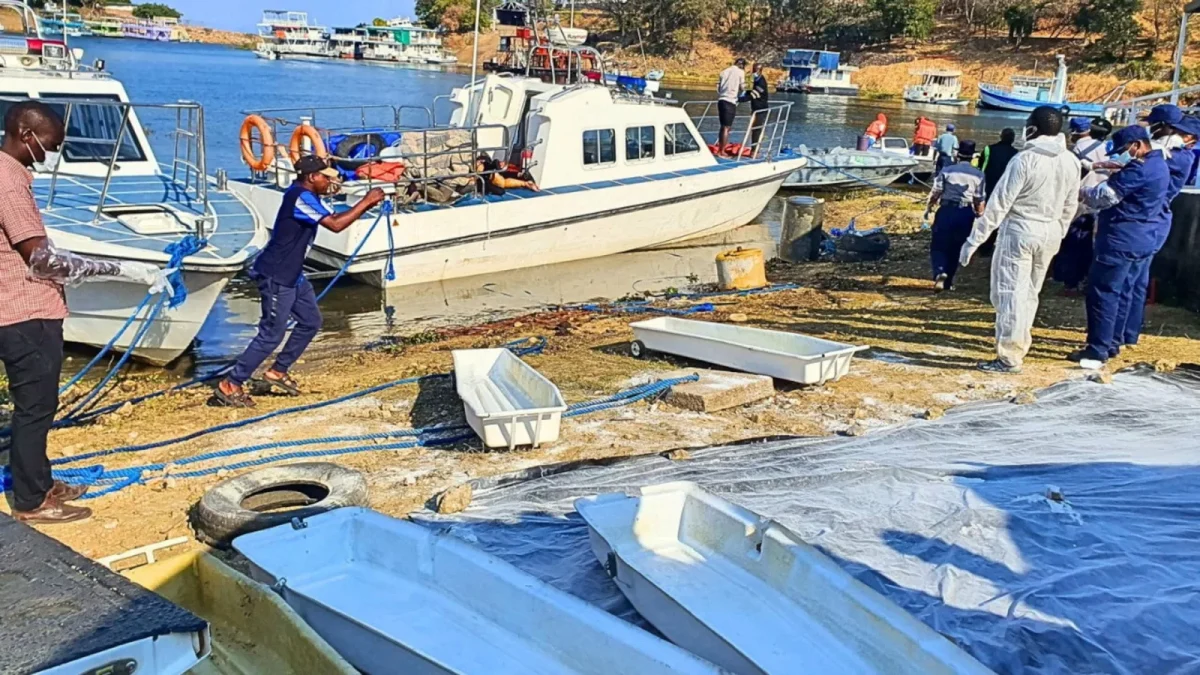
KARIBA, Zimbabwe — The reopening of schools has been disrupted for teachers and pupils in rural Nyaminyami, who remain stranded following the Mbuya Nehanda ferry disaster that claimed 97 lives.
Mutsa Murombedzi, a proportional representation MP for Mashonaland West, said teachers and schoolchildren who had crossed Lake Kariba for the holidays were now facing a costly detour to return home.
“School children and many teachers who had crossed the lake to the other side for holidays after schools closed are now stranded on the other side of the Zambezi and punished with a $30+ detour,” Murombedzi said.
She said the alternative route through Karoi–Siakobvu–Mola had exposed the consequences of years of poor investment in rural infrastructure.
“This is the price of decades of rural neglect where roads remain broken and just the access to clean water is a nightmare even beside the largest man-made lake in the world by volume of water held,” she said.
The Mbuya Nehanda, which served as a vital link between rural Nyaminyami and urban Kariba, capsized in Lake Kariba, killing 97 people and leaving communities with limited transport alternatives.
Murombedzi called for immediate government intervention, urging authorities to “urgently provide a shuttle bus for returning teachers and school children to Nyaminyami Kariba rural” and repair the Karoi–Binga road.
She said fixing the road would enable more transport operators to safely serve the area and reduce communities’ dependence on a single transport link.
The ferry disaster has therefore evolved beyond a tragedy at sea, with its impact now being felt in classrooms as rural communities struggle to reconnect with essential services an
Comments
Be the first to comment.