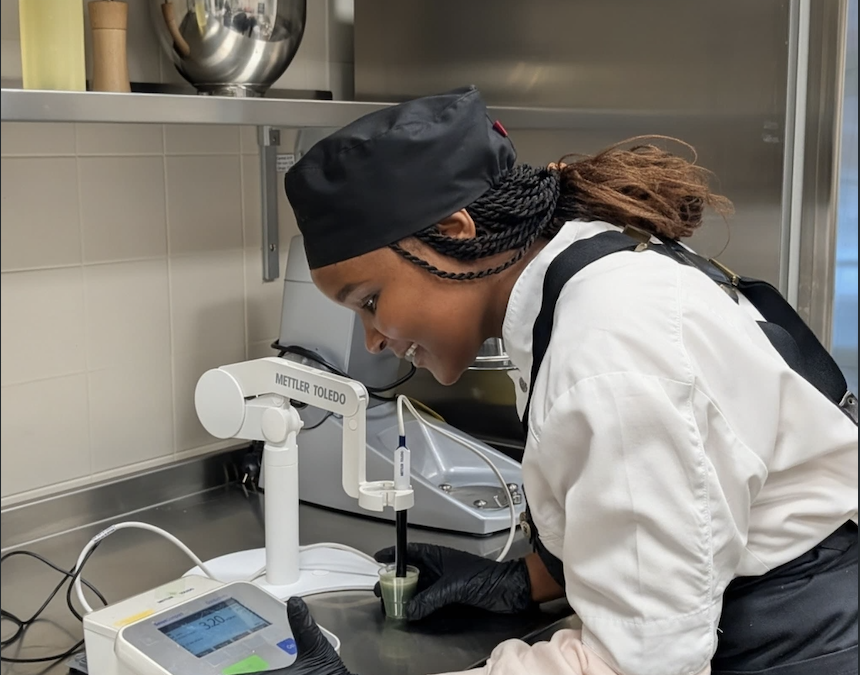
Uppsala – Zimbabwean-born innovator Tendai Abiola Dhodho is putting Zimbabwe on the international map after winning a 2026 student innovation award in Sweden and securing a place in the prestigious Mercedes-Benz beVisioneers Fellowship, which supports young entrepreneurs developing environmental solutions.
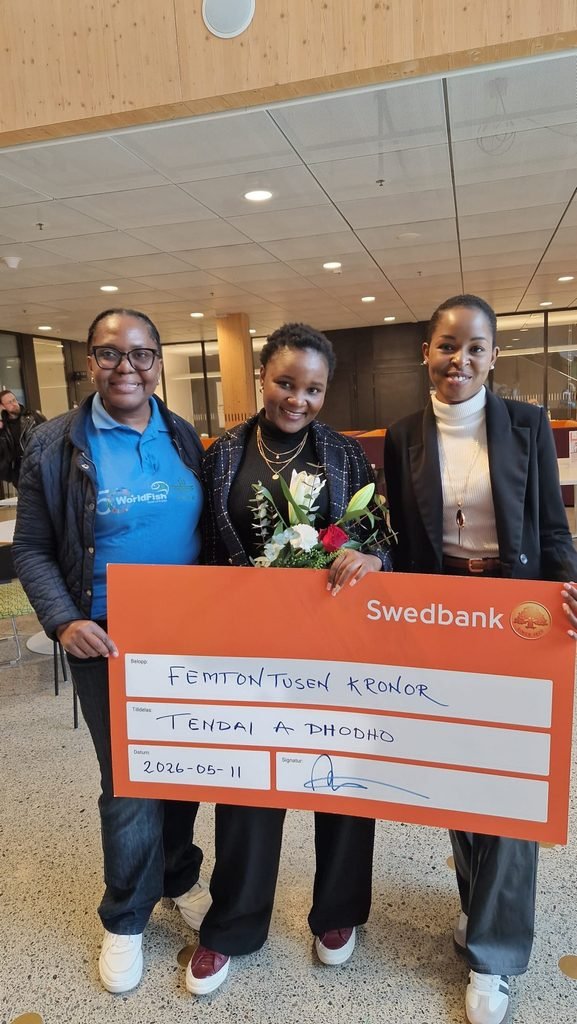
Dhodho received 15,000 Swedish kronor through an innovation award from the Swedish University of Agricultural Sciences (SLU) and Sparbanksstiftelsen Upland for her work on ALVent, an indoor air-purification concept using microalgae. She was also selected for the beVisioneers Fellowship, which supports young environmental innovators through mentorship and project development.
While ALVent was initiated by Nigerian PhD student Joseph Asanbe at Uppsala University, Dhodho is collaborating with him as a partner, contributing to the innovation and development of the concept. Their collaboration brings together ideas and expertise aimed at creating a more sustainable indoor environment.
Her achievements reflect an entrepreneurial journey that combines food innovation, technology, and sustainability, showcasing Zimbabwean talent’s potential to address global challenges.
Turning surplus apples into nutritious food
Dhodho is independently developing a smoothie powder made from surplus apples and algae, with support from SLU Holding through its VentureLab initiative and Axfoundation.
The idea emerged after she noticed that many apples growing on Swedish trees go to waste, often rotting before they can be consumed. She began exploring ways to preserve the fruit by combining it with nutrient-rich ingredients, including spirulina, a type of microalgae.
“SLU Holding, through VentureLab, supported me with startup prototype building because we are working to reduce fruit and vegetable wastage in Sweden. If you look around, there are many apple trees, and most of the fruit rots,” she said.
Dhodho received initial support worth about 11,000 Swedish kronor to purchase ingredients and develop prototypes. She used the funding to experiment with different combinations of food powders, organise tasting sessions and collect feedback.
“I have built many prototypes and made people taste them and give feedback. I’m combining different food powders, trying to balance exotic and indigenous ingredients, and adding spirulina powder,” she said.
Her concept combines fibre and vitamins from apples with protein from algae, aiming to create a nutritious product with a longer shelf life while reducing food waste.
Dhodho is also considering using ingredients from Zimbabwe in similar products, including indigenous fruits such as baobab and marula. This could create opportunities to add value to local produce while drawing on her home country’s natural resources.
She believes turning fresh produce into long-lasting food products could also strengthen food preparedness by keeping nutritious ingredients available longer.
“Transforming a fresh raw ingredient into a long-shelf-life powder reduces food waste while simultaneously boosting preparedness. To be ready for any food crisis, we need Swedish-produced, sustainable and nutritious food,” she said.
ALVent: A collaboration to improve indoor air quality
Alongside her smoothie-powder venture, Dhodho is collaborating with Asanbe on ALVent, a concept designed to improve indoor air quality, particularly during Sweden’s cold winters when people may be less inclined to open windows.
Asambe is the main idea owner behind ALVent, while Dhodho contributes as a development partner, helping bring innovation into the project as the team works towards a functional prototype.
The concept uses spirulina microalgae, which absorb carbon dioxide through photosynthesis. The vision is to develop an indoor lighting object that could help manage indoor air quality while allowing the algae biomass to be harvested for other uses.
“The idea came from developing an indoor lamp that absorbs carbon dioxide and releases oxygen. It works like photosynthesis,” Dhodho explained when describing the concept.
The collaborators are also exploring the use of infrared lighting to support algae growth during winter, when natural light is limited. Design choices, including lighting options, remain under development.
Dhodho said the beVisioneers Fellowship is helping the collaborators access support as they work to advance the concept. The project remains in development, with further prototyping and testing needed to establish its performance.
From Zimbabwe to Sweden
Dhodho arrived in Sweden in 2024 after winning the Swedish Institute Global Professionals Scholarship to pursue postgraduate studies at Uppsala University. She holds a bachelor’s degree in animal science from Zimbabwe and has also studied business administration and management.
Her entrepreneurial instincts developed at a young age. Growing up in a village in Zimbabwe, she used money given to her by her parents to start growing vegetables for sale in the community. This experience introduced her to the world of business, shaping her interest in finding practical solutions to everyday challenges.
Today, her resourcefulness informs her research in Sweden, where she is looking into how underutilised natural resources can be turned into valuable products.
She has identified Sweden’s abundant apple trees as an opportunity to reduce food waste and its extensive water resources as potential opportunities for algae cultivation.
With support from SLU Holding, Axfoundation and the beVisioneers Fellowship, Dhodho is continuing to test ideas, refine prototypes and explore how her innovations could eventually reach the market.
Her progress places entrepreneurship at the intersection of food security, environmental sustainability and emerging technology. Her smoothie-powder concept also points to opportunities for adapting similar ideas to Zimbabwe, where indigenous fruits such as baobab and marula could become ingredients in sustainable, value-added food products.
As she develops her own food innovation and collaborates with Asanbe on ALVent, Dhodho is demonstrating how entrepreneurial thinking and partnerships can turn sustainability challenges into new possibilities.


Comments
Be the first to comment.